# Unlocking M3 Power: Must-Have DIY Mods for Peak Performance
The Roar and Rush of Tuning the BMW M3
Intro: Picture this: you’re at a track day, the tarmac’s shimmering with heat, and there’s a distinct growl as an M3 blasts by. That’s the sound of BMW’s engineering prowess tuned to its peak, a symphony of power, precision, and adrenaline that every tuner dreams of perfecting.
Understanding M3
The BMW M3 is not just a car; it’s a canvas for tuners. Underneath the hood lies a potent engine capable of astonishing feats, but it’s the car’s balance and chassis that truly make it a tuner’s delight. The M3’s rear-wheel-drive layout, combined with its sophisticated suspension system, offers a dynamic platform for enhancements. Whether it’s tweaking the ECU, upgrading the turbocharger, or dialing in the suspension, each modification transforms the M3’s performance envelope. Crucial to its agility are the differential and adaptive M suspension systems, which work in harmony to provide sharp responses and a tight grip on the asphalt, making it an ideal candidate for both spirited street driving and competitive track racing.
Performance & Testing Insights
Having spent countless hours on both the dyno and the track, I’ve pushed the M3 to its limits to see what it can truly offer. On the dyno, an ECU remap alone can liberate additional horsepower and significantly improve torque delivery. When you couple this with a high-flow exhaust system, the M3 doesn’t just sound more aggressive; it becomes a beast ready to leap at every throttle blip. On track, upgraded brake pads and rotors are essential, as the M3’s power can overwhelm the stock setup, leading to brake fade after several hard laps. Cooling is another critical area—upgraded radiators and oil coolers help stave off the performance-sapping heat that track days generate.
DIY Garage Notes
- Tools: A good set of wrenches, a reliable torque wrench, and a high-quality lift or jack stands are essential for safety and precision in your installs.
- Preparation: Always start with a clean work area and pre-inspect all parts for defects before installation. Calibration tools are necessary for tasks like ECU tuning or adjusting the suspension.
- Torque Specs: Pay attention to torque specifications, especially for crucial components like wheel bolts and suspension parts to avoid any on-road or on-track failures.
- Common Challenges: One of the frequent installation challenges involves the alignment of the suspension after upgrading components. Incorrect alignment can lead to uneven tire wear and suboptimal handling. Another common issue is ECU tuning; a misstep here can lead to poor engine performance or even failure. It’s crucial to either use a proven map or have a professional tuner create a custom profile.
Recommended Gear
For those looking to elevate their M3’s performance, consider the following upgrades:

Price not available

Price not available
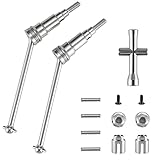
Price not available
Summary
Upgrading a BMW M3 is about enhancing what’s already a finely tuned machine. The real-world benefits of these upgrades can be felt every time you press the gas pedal or dive into a corner. The trade-offs typically involve cost and the potential for increased maintenance. However, for those dedicated to street performance or regular track days, these upgrades are not just improvements; they’re necessities. As someone who’s experienced the transformation of the M3 first-hand, I can confidently say that the right mods not only increase the car’s capabilities but also make every drive a more thrilling, visceral experience.
—
## ? Recommended Products

Price not available
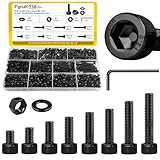
Price not available

Price not available
—
## ? Quick Summary
– **Topic:** M3
– **Focus:** DIY automotive tools, garage tech, or performance upgrades.
—
*Written by Grant Johnson — Garage Tested Blog (Johnson Motorsports)*