# Unlock Your BMW’s Secrets with Top Diagnostic Tools
Unlocking Vehicle Performance with Modern Diagnostic Tools
Intro: In the world of automotive care and maintenance, diagnostic tools are indispensable. They not only help pinpoint issues with precision but also save time and money by preventing unnecessary repairs. Whether you’re a professional mechanic or a DIY enthusiast, understanding how to effectively use these tools can greatly enhance your vehicle’s longevity and performance.
Understanding Diagnostic Tools
Diagnostic tools for vehicles are essentially software and hardware designed to interface with a car’s computer system. These tools read data from the vehicle’s onboard computer, which monitors operations and identifies any irregularities or failures in its systems. Modern diagnostic tools range from basic code readers that can interpret trouble codes (DTCs) to advanced scanners that provide real-time data, component testing, and system diagnostics.
The evolution of these tools has been significant. Initially, they were predominantly used by professional auto repair shops due to their complexity and cost. However, with advancements in technology, more user-friendly and affordable versions have become available, making them accessible to amateur mechanics and car enthusiasts as well.
Types of Diagnostic Tools
- Code Readers: Simple devices that can read and clear codes from a vehicle’s computer.
- Scan Tools: More advanced than code readers, these can read codes, provide additional data, and sometimes offer customization options.
- OBD Scanners: Connect directly to the On-Board Diagnostics (OBD) system of a vehicle, useful for a comprehensive diagnosis and monitoring.
- Specialty Tools: Designed for specific vehicle makes or systems, such as ABS, airbag, or transmission diagnostics.
Choosing the Right Diagnostic Tool
When selecting a diagnostic tool, consider the specific needs of your vehicle or your repair shop. Key factors include compatibility with the vehicle’s make and model, the range of diagnostics needed, and the ease of use. For DIY enthusiasts, a basic OBD2 scanner might be sufficient, while professional mechanics might require more sophisticated systems that offer detailed diagnostic capabilities and support for multiple vehicle models.
DIY Steps for Using Diagnostic Tools
For those new to using automotive diagnostic tools, here’s a simple guide to get you started:
- Check Compatibility: Ensure that the diagnostic tool is compatible with your vehicle’s make and model.
- Connect the Tool: Most tools connect via the OBD2 port, usually found under the dashboard.
- Read the Codes: Once connected, follow the tool’s instructions to read the diagnostic trouble codes.
- Analyze the Data: Use the information or codes you retrieve to understand the issues with your vehicle. Manuals or online resources can help interpret these codes.
- Clear the Codes: After repairs, use the tool to clear the codes and reset the vehicle’s computer system.
Safety Note: Always ensure the vehicle is off before connecting or disconnecting any diagnostic tool to avoid electrical issues or damage.
Recommended Gear
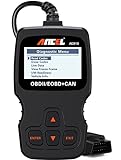
Price not available
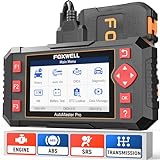
Price not available
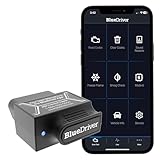
Price not available
Summary
Diagnostic tools are a critical component in the maintenance and performance optimization of modern vehicles. They offer both professionals and enthusiasts the ability to understand and rectify issues efficiently. With the right tool, you can ensure your vehicle operates at its best, saving you time and money on potential repairs. Consider investing in a diagnostic tool that suits your specific needs and enhances your capability to maintain your vehicle effectively.
—
## ? Recommended Products
Price not available
Price not available
Price not available
—
## ? Quick Summary
– **Topic:** Diagnostic Tools
– **Focus:** DIY automotive tools, garage tech, or performance upgrades.
—
*Written by Grant Johnson — Garage Tested Blog (Johnson Motorsports)*