# Unlock Your BMW’s Power: Top Diagnostic Tools Revealed
The Power of Diagnostic Tools in Tuning High-Performance Vehicles
Intro: Imagine this: you’re at the track, the smell of burnt rubber fills the air, and the roar of engines echoes around you. Your car, a finely tuned beast, is ready. But how do you ensure it performs at its peak? The answer lies partly in the humble yet critical role of diagnostic tools.
Understanding Diagnostic Tools
At their core, diagnostic tools are your best ally in the garage, giving you a deep dive into your car’s health and performance capabilities. These tools interface directly with the vehicle’s onboard computer, pulling data that can tell you everything from engine temperature and fuel trim to advanced telemetry. For anyone pushing their car to the limits on the track, this information is invaluable. It helps in fine-tuning engine parameters, ensuring that the turbocharger is operating within safe limits, and much more.
Diagnostic tools not only help in troubleshooting but also enable the recalibration of various systems to enhance performance. For instance, after installing aftermarket parts, such as a new turbo kit or suspension system, you might need to reset the engine control module (ECM) to get the best performance. This recalibration can adjust everything from the air/fuel ratio to ignition timing, significantly impacting how your car feels and responds under different conditions.
Performance & Testing Insights
Let’s talk specifics. During a recent track day test, using a high-grade diagnostic scanner, we observed real-time data that helped tweak our project car, a Nissan GT-R, for optimal performance. By monitoring the air intake temperature and boost pressure, we were able to adjust the turbocharger boost settings to avoid heat fade, a common issue in high-performance vehicles under strain.
Comparatively, aftermarket diagnostic tools often offer more features and user customization than their OEM counterparts. For instance, some aftermarket scanners allow for logging performance data over time, which is perfect for those who are fine-tuning their vehicles over multiple track days.
DIY Garage Notes
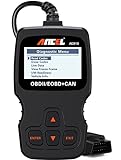
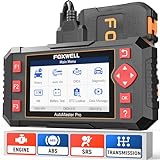
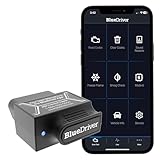
- Essential Tools: A reliable OBD-II scanner is a must-have. Look for one that offers extensive manufacturer-specific diagnostics.
- Prep Work: Always ensure your vehicle’s battery is fully charged before connecting a diagnostic tool to avoid any irregularities in data or accidental ECM resets.
- Torque Specs & Alignment: Use the diagnostic tool to monitor chassis and drivetrain parameters after making adjustments to suspension or wheel alignment to see real-time effects on vehicle behavior.
- Common Issues: One typical mistake is ignoring ‘pending’ trouble codes, which can indicate an impending issue that hasn’t yet triggered a full fault. Always address these during your tuning process.
Recommended Gear
For those looking to enhance their vehicle’s performance through precise diagnostics and tuning, consider these top picks:

Price not available

Price not available
Price not available
Summary
Using diagnostic tools not only elevates the performance of your vehicle but also ensures reliability, whether you’re tearing up the track or cruising down the freeway. The right tool can help you uncover potential issues before they become major, optimize your setups, and even extend the lifespan of your vehicle. For anyone serious about automotive performance, integrating advanced diagnostics into your maintenance and tuning practices is not just an option; it’s a necessity.
Remember, these tools represent more than just gadgets; they are the bridge between you and the optimal performance of your machine. Whether you’re a weekend warrior at the local autocross or a seasoned tuner looking for that next edge, diagnostic tools are your gateway to unlocking the full potential of your vehicle.
—
## ? Recommended Products
Price not available
Price not available
Price not available
—
## ? Quick Summary
– **Topic:** Diagnostic Tools
– **Focus:** DIY automotive tools, garage tech, or performance upgrades.
—
*Written by Grant Johnson — Garage Tested Blog (Johnson Motorsports)*